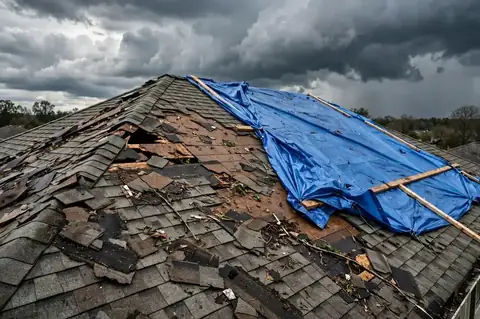
Leaks, storm damage, flashing failures, lifted ridges — on West New York's rowhouses, pre-war buildings, and mid-rise blocks. Local roofers, 24/7 emergency response, .
Emergency? We answer 24/7.

West New York sits high on the Palisades, and that elevation is the single biggest fact about its roofs. Wind that barely registers at street level in the towns below arrives here with force — and it arrives carrying rain sideways. The result is a town where roofs age faster at their edges than in their fields: ridges, eaves, flashing lines, and every penetration take the weather first and hardest.
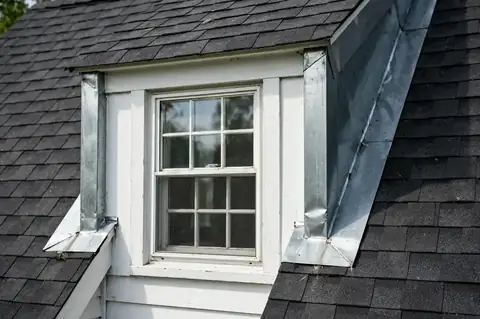
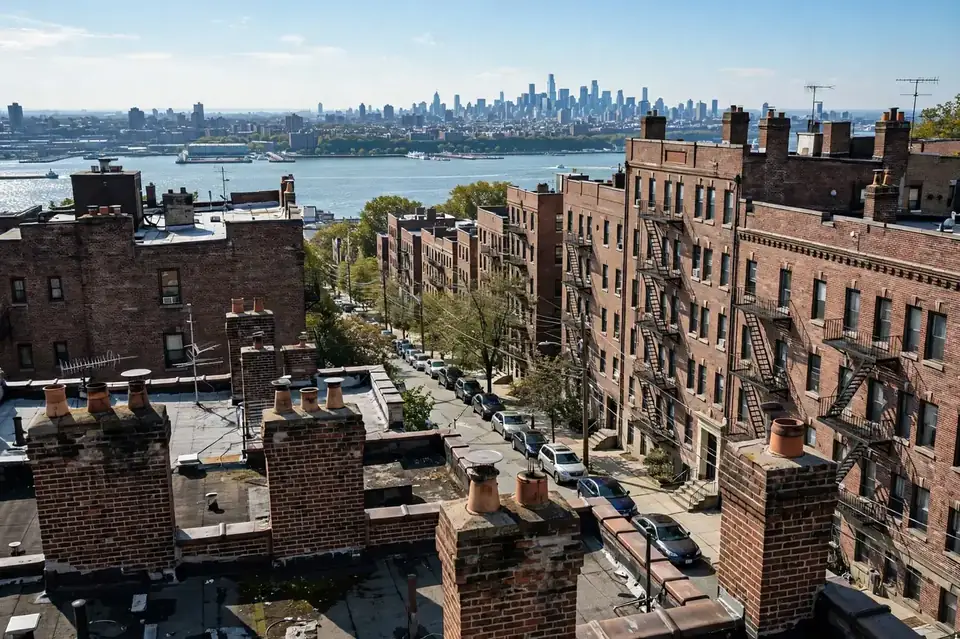
Under that weather sits a dense stock of pre-war buildings — walk-ups, mixed-use blocks, older homes with dormers — carrying roofs and flashing systems that are often decades old. The combination is the whole story: elevated wind exposure working on aging materials. The repair calls that follow are predictable: lifted ridge caps after every major storm, flashing failures at chimneys and dormers, and leaks that appear far from their source because wind-driven water doesn't fall straight down.
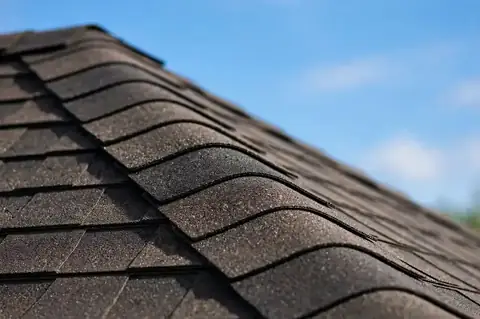
Cliff-accelerated wind shreds ridges on the crest — we rebuild with fastening rated for the exposure.
Ridge cap repair →
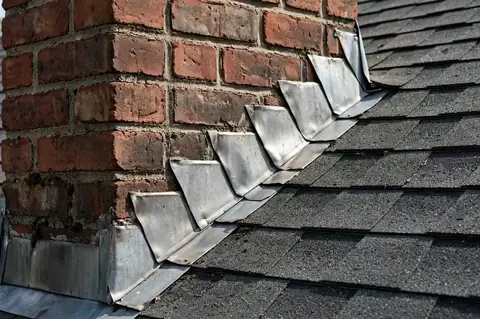
Century-old brick needs the masonry and flashing rebuilt together. New metal on dead mortar is a repair built on sand.
Flashing repair →
Pre-war dormers with expired flashing: full teardown rebuilds, modern membrane underneath, period trim preserved.
Dormer repair →
Leak in a pre-war walkup? 24/7 response from roofers who know century-old buildings.
Emergency help →
Cliff-wind storm assessments: ridge, flashing, and dormers checked together, since these buildings fail in clusters.
Storm guide →
One town south — the original Union City hub with five more specialty repair guides.
Union City →
When we connect you with a local roofer, the assessment should account for how water actually behaves at elevation — driven, not just fallen:
Ask for the findings in writing with photos. On pre-war buildings especially, you want to see the failure before you authorize the fix.
The roofer maps the leak to its entry, working upwind and uphill from the interior evidence — because at elevation, the source is rarely below the stain.
Wind damage gets wind-rated repair: re-secured or replaced caps, rebuilt flashing sequences, proper fastening — not just the bent piece straightened.
Failed sections are opened, rebuilt with correct lapping and wind-resistant detailing, and integrated into the surrounding roof.
The repair is checked after the next wind event, not just the next calm rain. If it holds in a nor'easter, it holds.
On pre-war buildings this question comes up constantly, and the honest answer is evidence-based. A wind-torn ridge on an otherwise sound roof is a repair — full stop. A flashing failure at one chimney is a repair. The roof's age alone is not a diagnosis.
Don't research — call. (201) 330-4743, 24/7. Wind-driven leaks worsen with every gust; tarping now limits the spread.
Sealant deserves special mention here: wind-driven rain defeats sealant-dependent joints faster than anywhere else, because the water arrives with pressure behind it. Proper work puts lapped metal and mechanical fastening first, sealant last.
Because the failure is at an edge or flashing line, not a hole in the field. Calm rain runs downhill off intact shingles; wind-driven rain gets pushed uphill under laps and through separated flashing. The fix targets the flashing or edge detail, not the shingles below the stain.
Age alone isn't a verdict. What matters is the roof's actual condition: a sound 40-year-old roof with one wind-damaged section is a repair candidate. Widespread wear, repeated failures, or rotted decking are what move the conversation to replacement — and those are findings, not assumptions.
The ridge line (straight or jogged?), shingles at eaves, granule piles at downspouts, and any new interior stains. Then schedule a post-storm assessment — flashing damage from wind often isn't visible from the ground.
As closely as current manufacturing allows. On pre-war roofs, exact matches are often impossible — in that case, thickness and coursing integration matter more than color, so the repair doesn't create new water channels.
That's normal at elevation — wind-driven water travels inside wall cavities. A proper inspection traces attic water trails back to the entry point rather than patching above the stain. Don't authorize work until the source is identified.
On pre-war buildings, get the inspection. The visible damage is frequently the first failure of a vintage, and finding the others during one visit is far cheaper than discovering them one leak at a time.
24/7 emergency line, roofers who know Hudson County's housing stock.
Call (201) 330-4743