Leaks, storm damage, worn flashing, tired shingles — connected with local roofers serving Secaucus, from the North End to Harmon Cove. 24/7 emergency response, .
Emergency? We answer 24/7.

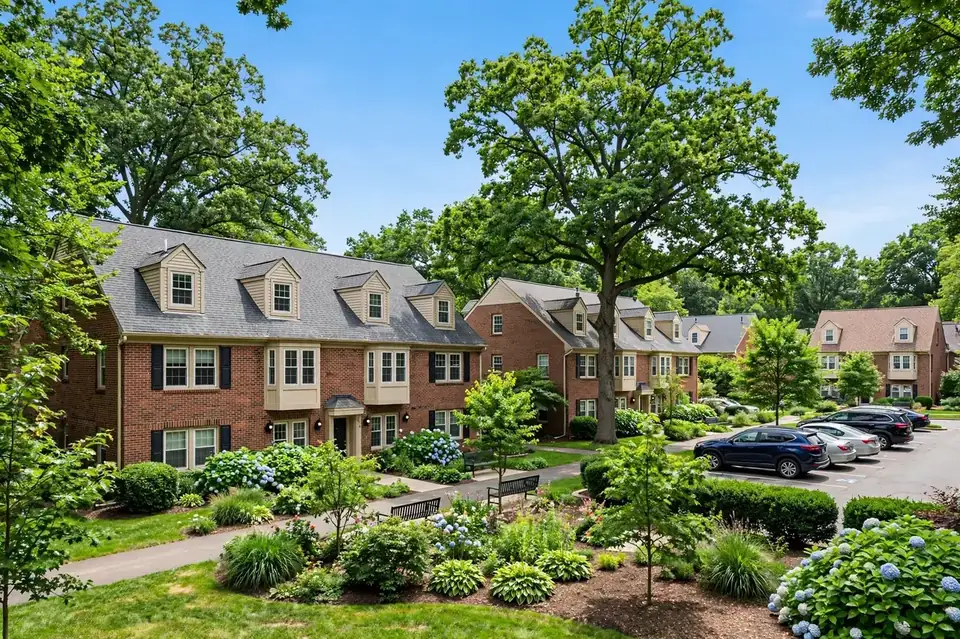
Secaucus has two roof worlds. In the residential neighborhoods — capes, ranches, split-levels in the North End, townhouse and garden-apartment communities around Harmon Cove — the repair calls look like the rest of Hudson County: flashing failures, wind damage, aging shingles. Along the Turnpike corridor, some of the county's largest commercial and industrial roof footprints bring a different set of problems: flat-roof ponding, seam fatigue, and drainage systems that need to move enormous volumes of water.
For homeowners, there's a wrinkle worth understanding upfront: many Secaucus residences sit in HOA-run communities, where the association typically owns the building envelope — roof surface, flashing, siding transitions — and the unit owner owns the interior. That split decides who pays, but it doesn't change the repair. Water doesn't respect ownership lines. What it does change is the process: the most useful thing a roofer can hand you is clear documentation — photos and plain-language scope — that answers the responsibility question for the board.
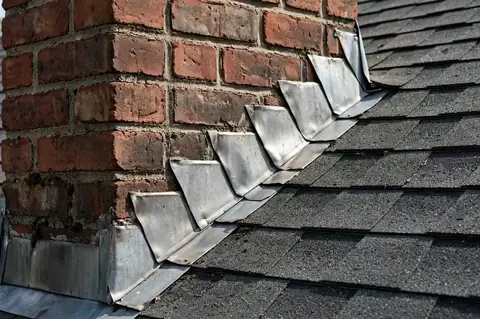
Step and counter flashing rebuilt around brick chimneys — the most common leak source on Secaucus's older homes.
Flashing repair →
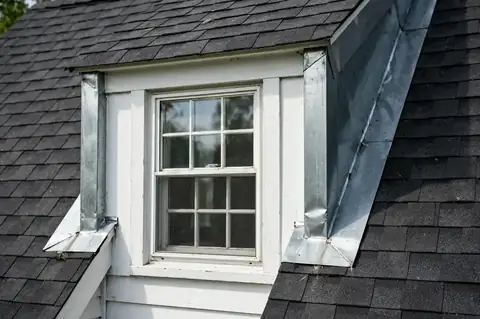
Leaking dormers on capes and split-levels — flashing, siding transitions, and valley tie-ins fixed properly.
Dormer repair →
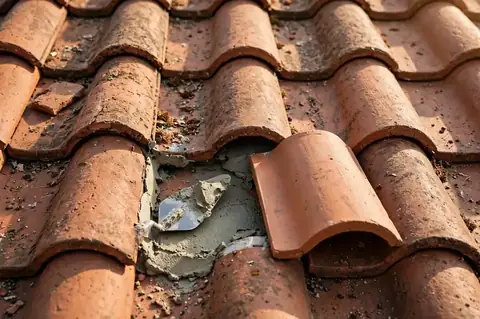
Cracked and slipped tiles replaced individually without breaking the surrounding field.
Tile repair →
Shingle-safe moss, algae, and lichen treatment for shaded Secaucus roofs. Never pressure washed.
Moss removal →
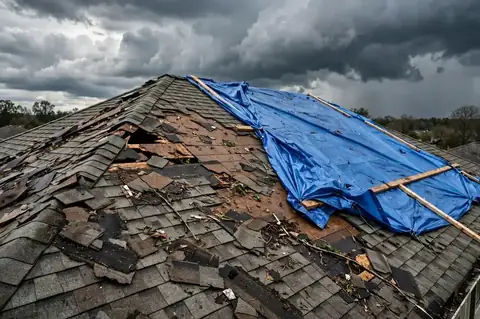
24/7 response for active leaks and storm damage across Secaucus and Hudson County.
Emergency help →
Post-storm inspection with photo documentation for your records and any insurance claim.
Storm guide →
When we connect you with a local roofer, expect the assessment to trace the problem to its source — and, in HOA communities, to document it in a form the board can act on:
Interior evidence and roof-surface inspection converge on the actual entry point — often uphill or sideways from where the stain appeared.
The roofer writes what failed and what the fix includes — materials, areas, and what would expand the job. In HOA communities, this document goes to the board.
Failed materials come out; the repair is built with proper lapping, fastening, and drainage — then woven back into the existing roof so it performs as one system.
The area is checked after the next rain. A repair isn't finished until the interior stays dry — say so, and hold the roofer to it.
A single failed flashing run, one wind-damaged section, a seam that opened — these are repairs, and anyone telling you otherwise without evidence is selling, not diagnosing. Be especially wary of the jump from one leak to a full replacement with nothing documented in between.
Don't research — call. (201) 330-4743, 24/7. Emergency tarping stops the damage today; the scoped repair follows.
One rule covers everything: sealant is a gasket, never the repair. Caulk over a failed flashing joint buys a season or two, then fails.
Chimney bases are the town's most frequent leak source, so chimney flashing repair in Secaucus deserves a look whenever water appears near a fireplace or flue. Garden-community dormers have their own failure patterns — see dormer repair — and shaded lots should check roof moss removal before growth lifts shingles. Tile roofs have separate considerations at tile roof repair.
Document everything — photos of the interior damage, dates, weather conditions — and get a roofer's written assessment of the exterior failure. That documentation is what compels action: it separates the envelope failure (association's) from interior restoration (often yours) and gives the board something concrete to approve.
One localized failure is a repair. Multiple independent failures, systemic wear across whole slopes, or rotted decking point to replacement. Demand documented evidence for either recommendation.
It's damaging. Moss holds moisture against the shingle surface and its root structures lift shingle edges, breaking the water-shedding overlap. On shaded Secaucus lots it should be treated, not ignored — and never pressure-washed, which strips granules.
From the ground: ridge line straightness, missing or lifted shingles, granule piles at downspouts. From inside: new stains, attic daylight. Then get a post-storm assessment — wind damage to flashing often isn't visible from the ground.
Small leaks become big repairs. Water migrates through decking, insulation, and framing with every rain, and freeze-thaw widens the breach. At minimum, get it assessed — you'll know whether it's a watch item or an act-now item.
A professional stops, documents, and explains the added scope before proceeding — that's the agreement to make upfront. Hidden rot is common; surprise invoices are not acceptable.
24/7 emergency line, local roofers who know Hudson County.
Call (201) 330-4743