24/7 Emergency Roof Repair — Union City, NJCall (201) 330-4743
Union City Roof Repair

Roof Moss Removal in Union City, NJ

Moss won't flood your living room tonight — it just quietly shortens your roof's life, year by year. Soft-wash treatment kills it at the root without pressure damage.

  • Same-day roof moss removal service in Union City
  • No obligation
  • Local Union City roofers
Call (201) 330-4743

Emergency? We answer 24/7.

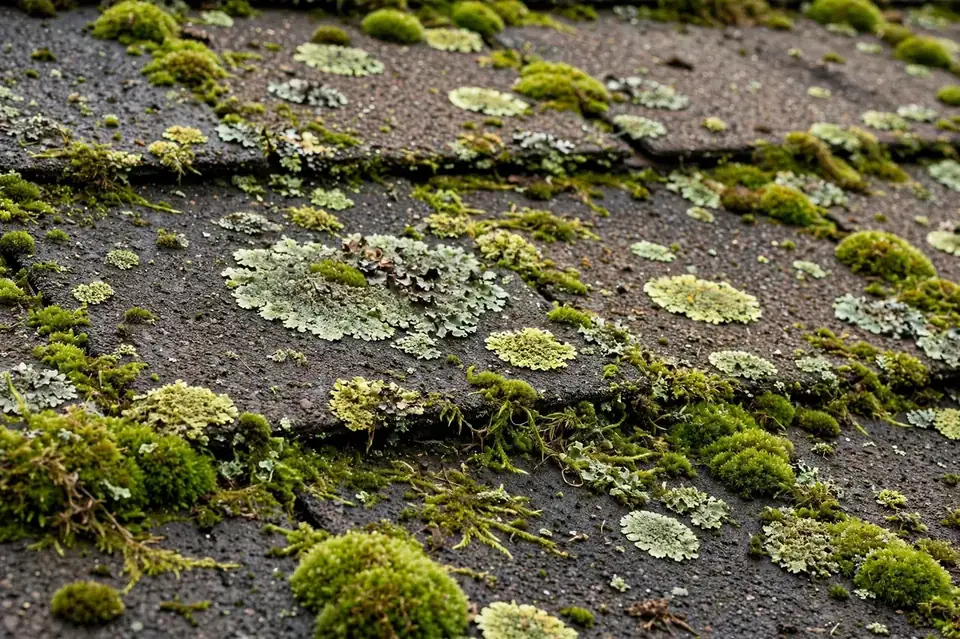
Moss growing on roof shingles in Union City NJ
Moss removal

What Moss Does to a Roof (It's Not Just Cosmetic)

Moss, algae, and lichen are three different organisms that colonize roofs for the same reason: they found moisture, shade, and a surface to grip. The green, spongy mats are moss. The dark streaks running down slopes are usually algae (gloeocapsa magma). The crusty, patchy discs are lichen — a symbiotic organism that's the hardest of the three to remove. Homeowners often treat them as a cosmetic issue. They're not.

The damage mechanism is physical. Moss anchors itself with tiny root-like structures called rhizoids that work under shingle edges and lift them, breaking the seal between courses. Once edges lift, wind gets underneath and rain follows. The moss mat itself acts as a sponge, holding moisture against the shingle surface around the clock — accelerating granule loss and keeping the roofing perpetually damp. What starts as a green patch becomes lifted shingles, then granule shedding, then a shortened roof life. Algae is less structurally aggressive but feeds on the limestone filler in shingles, and its dark streaks are often the first visible sign a roof is staying too wet.

Signs your roof needs moss treatment

  • Green mats or patches — moss colonies, typically starting on north-facing or shaded slopes.
  • Dark streaks down the slope — algae growth, often mistaken for dirt or aging.
  • Crusty gray-green discs — lichen, which bonds tightly to granules and needs professional removal.
  • Lifted shingle edges — moss rhizoids prying up the bottom edges of courses.
  • Excessive granules in gutters — moss-accelerated granule loss washing off the roof.
  • Shaded sections aging faster — one slope visibly more worn than the sunny slopes.
Why it grows

What Causes Moss on Roofs

Poor drainage patterns — areas where water lingers rather than shedding — stay wet longest and colonize first. And aging shingles are more vulnerable: as granules wear, the surface gets rougher and more hospitable to rhizoid attachment. The pattern is predictable enough that a roofer can read a roof's shade and drainage map and tell you where moss will appear next, not just where it is now.

Assessment

What a Roofer Assesses Before Treating Moss

Moss treatment isn't one-size-fits-all — the approach depends on what's growing and what it's done. When we connect you with a local roofer, the assessment typically covers:

One critical assessment point: if moss has been there long enough to lift courses and strip granules across wide areas, the honest scope may include shingle repair, not just cleaning. Treatment without addressing the damage underneath is cosmetic.

The treatment

How Professional Moss Removal Is Performed

1

Assess and protect

The roof is assessed for the organism type and shingle condition. Landscaping below is protected, gutters checked — treatment runoff has to go somewhere safe.

2

Remove heavy growth by hand

Thick moss mats are gently lifted off by hand or with soft brushes, working down-slope. This is the step where patience matters — and where pressure washers have no place.

3

Apply roof-safe treatment

A treatment solution designed for roofing is applied to kill remaining moss, algae, and lichen at the root level. Dead growth then weathers off naturally over weeks — it isn't scraped, which would take granules with it.

4

Prevent regrowth

Zinc or copper strips installed near the ridge release metal ions with each rain, inhibiting future growth down-slope. Debris sources are addressed, and gutters cleared so edges can dry.

The pressure washer warning: pressure washing strips the protective granules off asphalt shingles along with the moss — trading a cosmetic problem for a structural one. Any contractor who proposes pressure washing your shingle roof is telling you they don't understand shingle roofing. Walk away.

Honest scope

Cleaning or Repair?

Cleaning alone is the right scope when the shingles beneath are sound — moss is present but hasn't yet lifted courses or stripped significant granules. Treatment kills the growth, prevention stops its return, and the roof continues its normal life.

Cleaning plus repair is needed when moss has done structural damage: lifted and broken shingle edges, heavy granule loss in colonized areas, or courses that won't re-seal. In that case the roofer treats the moss and replaces the damaged shingles — two jobs, one visit, honest scope.

What cleaning can't do is restore a roof that's already at the end of its life. If the shingles are broadly worn, brittle, and shedding granules everywhere — moss or no moss — treatment is maintenance on a roof that needs bigger decisions. A straight roofer says so instead of selling you a cleaning.

Methods

Moss Treatment Methods, in Plain Language

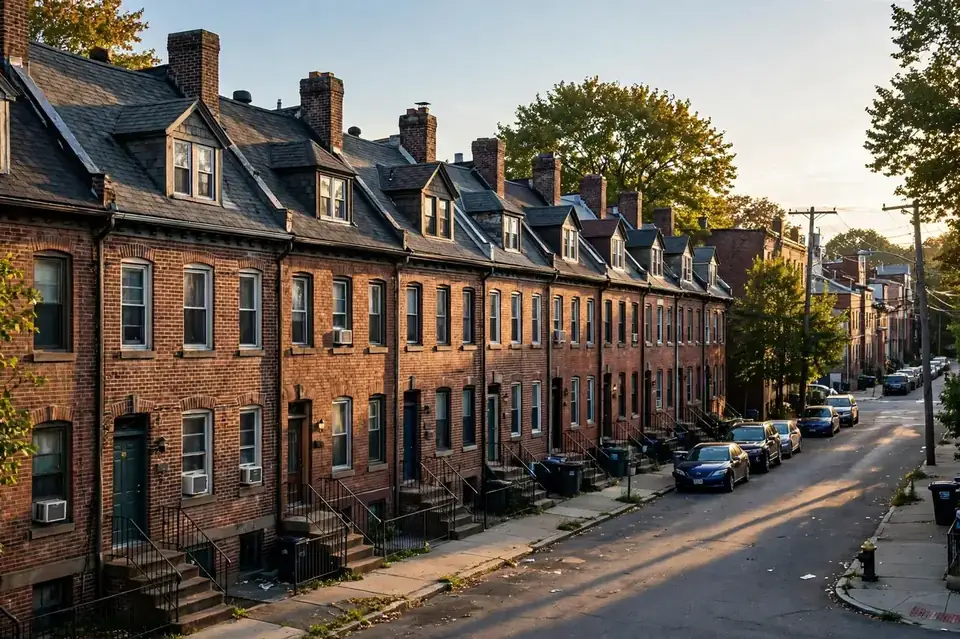
Shaded Union City NJ lots where moss thrives on roofs
Union City, NJ — shaded lots and close buildings keep slopes damp.
Local reality

Why Moss Likes Union City Roofs

Working with us

What to Expect When You Call

Describe what you're seeing: green patches, dark streaks, how much of the roof is affected, and which slopes (north-facing is the usual suspect). Mention overhanging trees and whether gutters are clogged — both feed the problem. A local roofer will assess the organism type, check the shingle condition underneath, and tell you whether cleaning alone will do or whether damaged shingles need replacing too.

Cost factors

What Affects the Cost of Moss Removal?

Related services

When Moss Is a Symptom of Something Else

Common questions

Union City Moss Removal FAQ

Is moss on my roof actually damaging it, or just ugly?

It's damaging. Moss anchors with root-like rhizoids that lift shingle edges and break their seals, and the mat holds moisture against the shingle surface continuously — accelerating granule loss. What starts cosmetic becomes structural if left alone.

Can I just pressure wash the moss off myself?

Please don't. Pressure washing strips the protective granules off asphalt shingles along with the moss, shortening the roof's life significantly. Professional removal is manual and chemical-free of high pressure — gentle by design.

What's the difference between moss, algae, and lichen?

Moss forms spongy green mats that lift shingle edges. Algae (gloeocapsa magma) creates the dark streaks running down slopes and feeds on shingle limestone. Lichen forms crusty discs that bond tightly to granules and are hardest to remove. Each needs a slightly different treatment approach.

Will the moss come back after treatment?

It can, if the conditions that grew it remain — shade, debris, poor drainage. That's why professional service includes prevention: zinc or copper strips, debris source management, and gutter clearing. Treatment without prevention is a recurring expense.

How long does it take to see results after treatment?

Heavy moss is removed by hand immediately, but the treatment solution works over weeks — dead growth weathers off naturally rather than being scraped (which would damage granules). Full visual clearing typically takes several weeks; prevention strips take a season to reach full effect.

What factors affect the cost of moss removal?

Roof size and how much is colonized, whether it's moss, algae, or lichen, roof pitch and access, whether damaged shingles need replacing too, prevention add-ons, and debris load. An on-site assessment is the only honest basis for pricing.

Your Roof Is Aging Quietly. Slow It Down.

soft-wash moss treatment.

Call (201) 330-4743

← Back to Roof Repair in Union City · Moss removal in Secaucus →

Call (201) 330-4743 — 24/7