24/7 Emergency Roof Repair — West New York, NJCall (201) 330-4743
Union City Roof Repair

Chimney Flashing Repair in West New York, NJ

New flashing on crumbling brick is a repair built on sand — literally. West New York's century-old chimneys need the masonry and the flashing rebuilt together.

  • Same-day chimney flashing repair service in West New York
  • No obligation
  • Local West New York roofers
Call (201) 330-4743

Emergency? We answer 24/7.

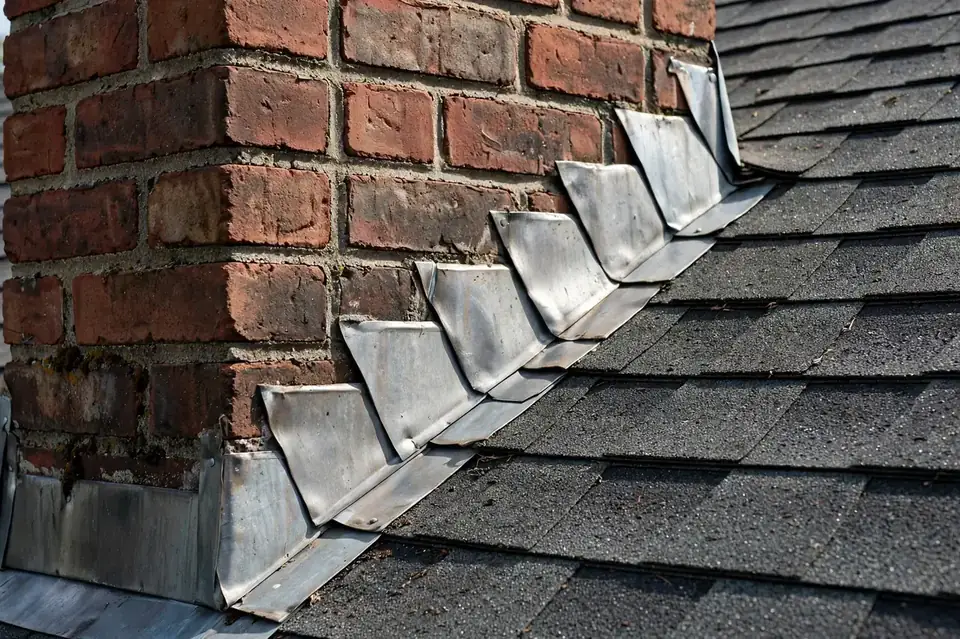
Chimney flashing repair West New York NJ

Why West New York Chimneys Test Their Flashing

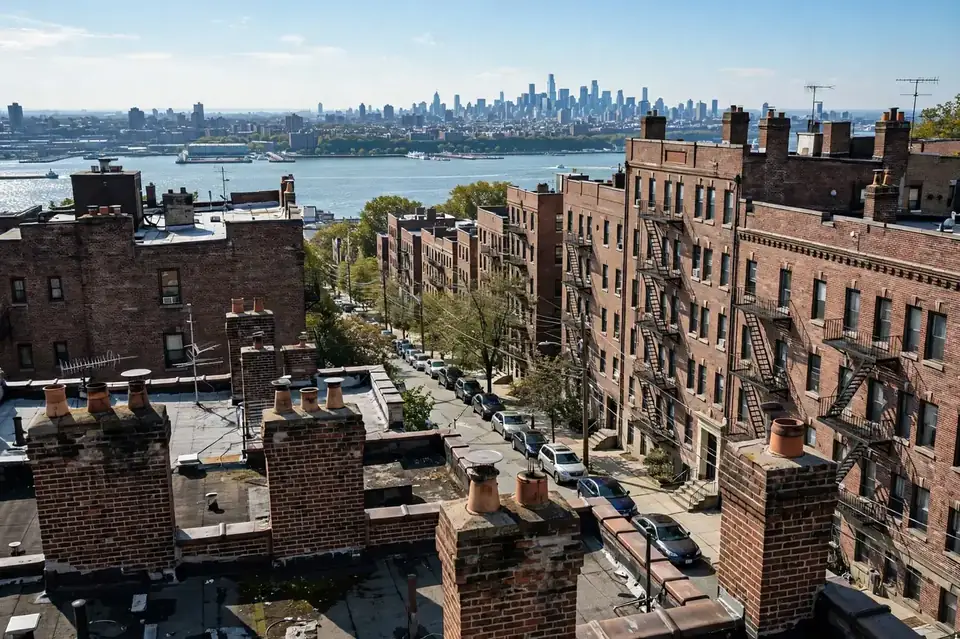
West New York's housing stock went up decades before modern flashing details were standard practice. Many of its brick chimney stacks still carry their original metalwork, and the town's elevation on the Palisades means wind-driven rain hits harder here than it does a few blocks downhill. The chimney base becomes the most interrogated square footage on the roof.

Flashing is the metal assembly that seals the joint where the chimney stack passes through the roof. It works as a pair: step flashing, small L-shaped pieces woven between shingle courses up both sides of the stack, and counter-flashing, anchored into the mortar joints and folded down over the step pieces. Water running down the brickwork meets the counter-flashing first, sheds onto the step flashing, and rejoins the shingle surface. On pre-war stacks, the weak point is rarely the design — it is the mortar. As joints erode, counter-flashing loses its grip, gaps open, and wind-driven rain gets pushed straight into the roof deck.

The symptom pattern follows the structure: stains surface on ceilings near the chimney breast, sometimes rooms away from the fireplace, because water rides decking and framing before it shows. A roofer reading a West New York chimney starts with the mortar joints and the flashing's bite into them — on these stacks, that is where the story usually is.

Signs your chimney flashing is failing

  • Rust streaks bleeding down the brickwork — the metal is corroding from the inside out.
  • Ceiling stains near the chimney breast, even faint or intermittent ones.
  • Musty attic air concentrated on the chimney side of the house.
  • Mortar joints crumbling where the counter-flashing enters — the flashing is losing its anchor.
  • Water appearing only during wind-driven rain, not in calm downpours — a classic flashing signature.
What Breaks Chimney Flashing Down

Freeze-thaw cycling does the slow structural damage: water enters mortar joints, freezes, expands, and loosens the counter-flashing's grip until the metal walks out. Corrosion does the rest — once galvanized coating wears through, rust starts, and rusted flashing can't be resealed. Sealant aging is quieter: UV and heat dry out sealant lines until they crack open.

The classic shortcut is the caulk-only repair — a bead of sealant where metal meets brick, with no counter-flashing behind it. It holds for a season or two, then lets go. Wind-driven rain — a bigger factor at West New York's elevation — forces water into marginal joints that would survive calmer weather. And differential settling, as masonry and framing move at different rates over decades, cracks seals that were fine when new.

What a roofer examines

  • Counter-flashing seating — still locked into the mortar joints, or worked loose?
  • Step flashing condition — revealed by lifting shingles at the chimney sides; checked for rust-through and overlap.
  • Mortar joint condition — flashing can't seal to crumbling mortar; repointing may have to come first.
  • Cricket presence — the peaked diverter behind wide chimneys; missing on a chimney over ~30 inches wide is a deficiency.
  • Attic-side staining — water marks on sheathing near the chimney map the leak's true path.

What Fixing Chimney Flashing Involves

Not every flashing problem gets the same repair. What a roofer actually does depends on which layer failed — and on these older stacks, the answer is often found in the mortar before the metal is even touched.

When resealing is enough

If the step and counter-flashing are sound, correctly lapped, and firmly seated — but the sealant at the top edge has dried and cracked — the fix is surgical: old sealant removed, the joint cleaned, and fresh sealant tooled in. This is the smallest scope, and it is only honest when the metal underneath is genuinely intact. Sealant over corroded flashing is a postponement, not a repair.

When the flashing gets replaced

Rusted-through step flashing, counter-flashing pulling out of eroded mortar joints, or flashing bent by past work calls for replacement of the metal itself. The roofer removes the affected courses, weaves in new step flashing, and re-seats counter-flashing — which on pre-war stacks usually means cutting fresh reglets (slots) into the mortar joints, since the old ones have widened with age. Matching the existing metal type matters: mixing metals that react with each other starts a new corrosion clock.

When it is a masonry problem first

Sometimes the flashing is fine and the chimney is the problem — spalling brick, deeply eroded joints, or a crown that sheds water into the flue walls. A roofer will tell you when the right call is a mason before a roofer: new flashing anchored into failing masonry fails on the masonry's schedule, not the flashing's. The inspection should name which trade your chimney needs, even if the answer is not roofing.

Water coming in around the chimney?

Do not wait for the next wind-driven rain. (201) 330-4743 — a local roofer can assess whether it is the flashing, the mortar, or both.

Flashing Metals and Details Worth Knowing

Roof repair West New York NJ
West New York, NJ — neighborhood roofs like yours.

Galvanized steel is the workhorse — affordable and sturdy until its coating wears. Aluminum won't rust but dents easily. Copper outlasts them all and weathers to a patina, at higher material and labor cost. The choice is lifespan versus budget.

Two terms that separate proper work from shortcuts: a reglet is the groove cut into the mortar joint that mechanically locks counter-flashing — its presence is the difference between a rebuild and a caulk job. A cricket is the small peaked diverter behind a wide chimney; without one, water and debris collect at the back wall, where flashing fails first.

West New York specifics

Two local facts matter here. The town's dense pre-war building stock means many chimneys are old brick with mortar that has endured decades of freeze-thaw — crumbling joints at the flashing line are the norm, and repointing frequently precedes the metalwork. And the elevated Palisades position brings stronger wind-driven rain, punishing marginal flashing that might survive in calmer spots. Together they mean West New York chimney flashing tends to need the full treatment — masonry and metal.

Water entering around the chimney?

Flashing leaks don't improve with time. Call (201) 330-4743 — we connect West New York homeowners with local roofers, 24/7 for emergencies.

What to Expect When You Call

Have a few details ready: where the stain appears, whether it shows in every rain or only wind-driven ones, and whether you have attic access near the chimney. The inspection covers both sides — the stain's location and the breach's location are routinely different.

The findings set the scope: sealant refresh, flashing rebuild, or flashing plus repointing. Ask the quote to name each element — step flashing, counter-flashing, shingles, masonry — not just "fix chimney leak." On pre-war chimneys, mortar may need attention first; that's sequencing, not upselling. Standard rebuilds typically finish in a single visit once masonry is sound.

What affects the cost of chimney flashing repair

  • Scope of metalwork — sealant refresh vs. full step-and-counter replacement.
  • Masonry condition — repointing deteriorated joints is separate work that often comes first.
  • Chimney size and height — wide chimneys may need a cricket; tall ones mean more setup.
  • Roof access — dense blocks and shared walls complicate staging and material handling.
  • Surrounding shingles — brittle or discontinued shingles at the base complicate the close-up.

Related services worth checking

The same wind that attacks flashing takes ridge caps in West New York — the roof's two most exposed features, worth checking in one visit. Dormer repair uses the identical step-flashing craft at the cheeks, so a roof with both gets one mobilization. And the West New York roof repair hub puts any flashing problem in the full-roof picture.

West New York Chimney FAQ

Can chimney flashing be repaired, or must it be replaced?

When the metal is sound and still seated in its joints, a sealant refresh is legitimate maintenance. When the metal is rusted through or the counter-flashing has pulled out of the mortar, replacement is the only durable fix. The distinction should be visible on inspection — ask to see which situation you're in.

Why does it only leak in heavy or wind-driven rain?

Light rain may not deliver enough water to the failed joint to penetrate, while wind-driven rain is forced sideways directly into gaps. West New York's elevated exposure makes this pattern especially common. Intermittent leaking is still a compromised joint, and it worsens.

Is a bead of caulk enough?

As the whole repair, no — not durably. Sealant is a component of a flashing assembly, not a substitute for one. A caulk-only fix over failed metal or dislodged counter-flashing typically lasts a season or two.

Do you also fix the bricks and mortar?

Flashing and masonry are sequenced: deteriorated joints usually need repointing before new flashing goes in, since flashing can't seal to crumbling masonry. Expect the roofer to flag mortar condition — it's often the first step, not an add-on.

How long does chimney flashing last?

A properly built assembly typically lasts as long as the surrounding roof, but sealant lines need periodic renewal and freeze-thaw works on mortar joints every winter. On pre-war chimneys, the masonry often sets the real timeline. Any specific answer comes from inspection, not a chart.

Fix the Brick and the Flashing — Once.

honest masonry assessment.

Call (201) 330-4743

← Back to Roof Repair in West New York · Chimney flashing in North Bergen →

Call (201) 330-4743 — 24/7