Leaks, storm damage, worn flashing, failing shingles — connected to local Union City roofers who fix it right, often same-day. 24/7 emergency response.
Emergency? We answer 24/7.

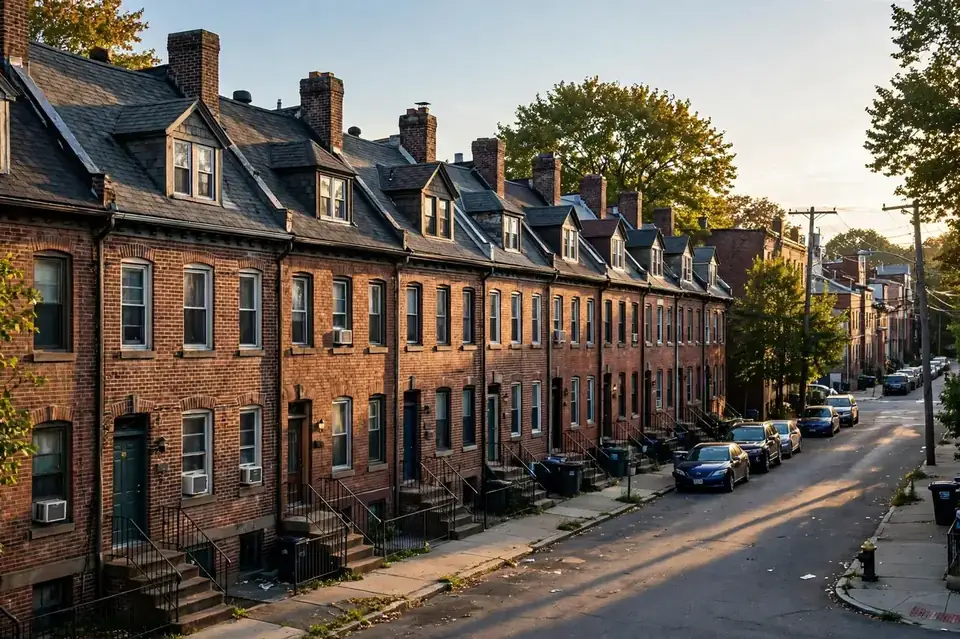
Roof repair is a diagnosis followed by the smallest fix that actually solves the problem. In Union City, that diagnosis starts with the housing: dense rowhouses and multi-family blocks, flat and low-slope roofs everywhere, brick chimneys on nearly every roofline, party walls between neighbors. Each fails in its own way — and a roofer who knows the building type finds the entry point instead of patching the symptom.

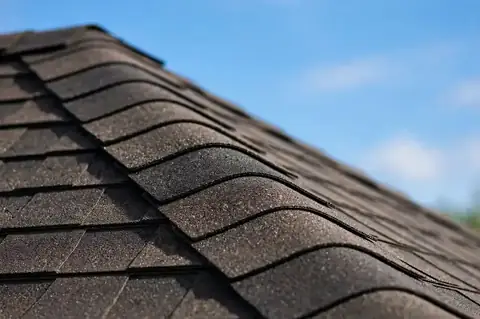
Wind-uplifted ridge caps reseated or replaced — the most common storm repair on shingle roofs.
Ridge cap repair →
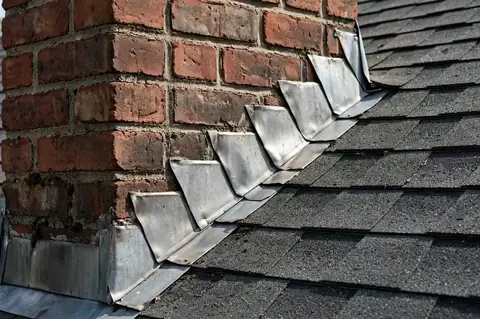
Step and counter flashing rebuilt around brick chimneys — Union City's #1 leak source.
Flashing repair →
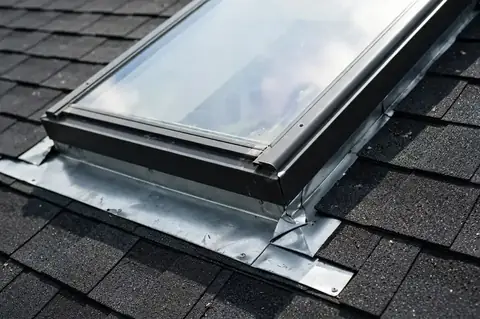
Leak diagnosis, resealing, and flashing-kit replacement for weeping skylights.
Skylight repair →
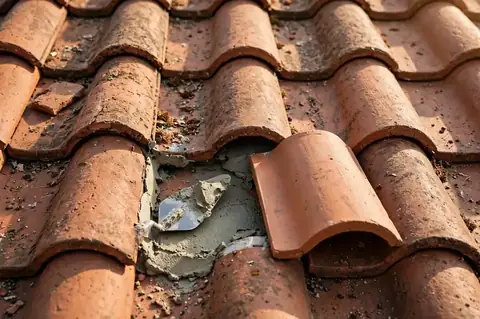
Cracked and slipped tiles replaced without breaking the ones around them.
Tile repair →
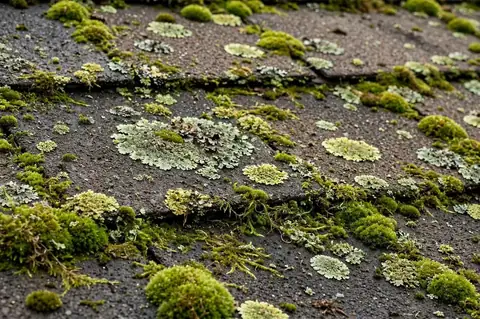
Shingle-safe moss, algae, and lichen treatment that extends roof life.
Moss removal →
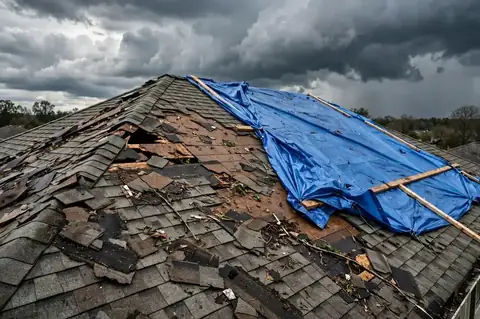
24/7 response for active leaks and storm damage — tarping today, repair scheduled.
Emergency help →
When we connect you with a local roofer, the assessment they perform should trace water to its source — not just confirm the stain you already found:
You should get a written scope from this: what failed, what the fix is, and what it doesn't include. If the assessment is "you need a new roof" with no documented failures, get a second look.
Attic evidence and roof-surface inspection converge on where water is actually getting in — which is often uphill or sideways from the interior stain.
The roofer defines the smallest repair that solves it: a flashing rebuild, a shingle section, a seam repair — and tells you what would make it bigger.
Failed materials are removed, the repair is built with proper lapping and fastening, and surrounding materials are woven back in so the fix disappears into the roof.
The repaired area and its neighbors are checked — and after the next rain, you confirm the interior stays dry. A repair isn't done until the leak is.
Most roof problems are local: a failed flashing run, a wind-damaged section, a seam that opened. Localized damage gets a localized repair, and a good roofer will tell you when that's the whole story. Be skeptical of anyone who jumps from one leak to a full replacement without documenting widespread failure.
Don't research — call. (201) 330-4743, 24/7. Emergency tarping stops the damage today; the permanent repair gets scoped after.
And sealant is never the repair — it's the gasket behind properly lapped materials. Any "repair" that's a bead of caulk will be a leak again within a few seasons.
Most calls here narrow to a specific failure. Ridge cap repair in Union City covers the wind-torn peak after every nor'easter. Chimney flashing repair addresses the party-wall chimney bases — the most common leak source on these blocks. If water is entering now, go straight to emergency roof repair; after any major storm, the storm damage assessment documents the whole roof.
One localized failure — a flashing run, a wind-damaged section — is a repair. Multiple independent failures, systemic wear across whole slopes, or rotted decking point toward replacement. The distinction should come from a documented inspection, not a sales pitch.
It could be either — water travels along party walls and rooflines. A proper assessment checks both sides of the shared wall before assigning the source. Don't authorize work until the entry point is confirmed.
Water doesn't pause for seasons. Every rain widens the damage path — decking, insulation, drywall — and winter freeze-thaw makes small breaches bigger. If it's active, it needs at least emergency mitigation now.
Recurring leaks at one spot usually mean the repair addressed the symptom, not the cause — often ponding that was never corrected, or a seam repair over failed substrate. The fix has to resolve the water's path, not just cover it.
As closely as current manufacturing allows. On aged roofs, thickness and coursing integration matter more than exact color — that's what keeps the repair from creating new water channels.
What's included, what happens if hidden damage is found, how the repair gets verified, and whether permits are needed. And verify license and insurance yourself — your responsibility, and the most important step.
Roofers document storm damage with timestamped photos, which is what adjusters need to see. The claim itself is between you and your insurer — but the documentation from a proper post-storm assessment is where it starts.
Describe the problem, get a local Union City roofer on it. Emergency? We answer 24/7.
Call (201) 330-4743